
The right air conditioning setup helps households and small businesses keep temperatures steady, improve airflow, and reduce day-to-day frustration. The best results usually come from matching the system to the space, then maintaining it so it performs the same way in January as it does in July.
What air conditioning options work best in Hornsby homes?
Most Hornsby properties suit either split systems, ducted systems, or multi-split setups. Split systems work well for single rooms and smaller homes, ducted works best for whole-home control, and multi-split helps when several rooms need conditioning without full ductwork.
Choosing between them depends on layout, insulation, ceiling space, and how many areas need separate temperature control. A quick site assessment typically reveals what will be efficient and what will be expensive to run.
How do they choose the right system size without wasting money?
They achieve optimal value realisation by eliminating estimation risk and aligning system capacity with measurable variables such as room volume, solar exposure, insulation performance, and operational usage patterns—an approach commonly applied in hornsby air conditioning projects. An oversized unit typically triggers short-cycling, creates a clammy indoor environment, and accelerates equipment wear. Conversely, an undersized unit is forced into continuous operation while still underperforming on comfort delivery.
A disciplined sizing framework prioritises occupant comfort before energy optimisation, which is a standard best-practice benchmark across hornsby air conditioning installations. This stage effectively determines long-term cost efficiency, as incorrect capacity planning often results in sustained energy overspend and reduced system lifespan.
What should they look for when comparing split systems?
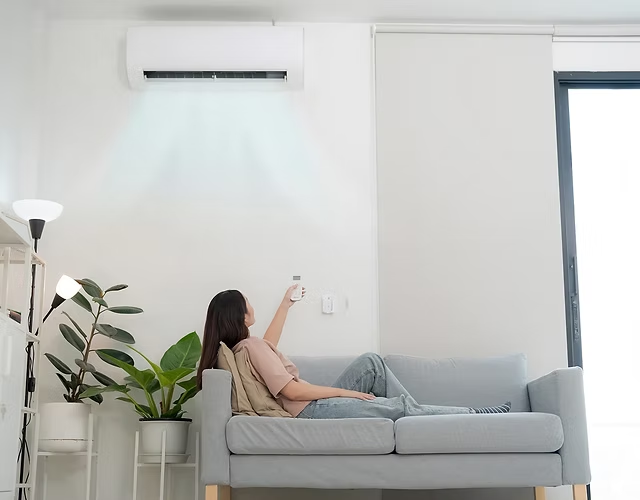
They should prioritise inverter technology, a strong energy rating, low noise levels, and reliable after-sales support. Inverter systems adjust output smoothly, which helps maintain stable temperatures and reduces power spikes.
It also helps to check airflow direction and dehumidification performance, especially for bedrooms or living areas that feel muggy. Features matter, but build quality and correct installation usually matter more.
When is ducted air conditioning the better choice?
Ducted air conditioning is typically best when they want whole-home comfort, a clean look, and consistent temperatures across multiple rooms. It suits larger households and open-plan layouts where one split system cannot cover the space properly.
Zoning is a key advantage. With zoning, they can condition only the areas in use, which can reduce running costs while keeping comfort high.
How can they reduce running costs through smarter control?
They can reduce costs by using zoning, timers, and realistic temperature targets rather than running the system at extremes. Small adjustments often make a noticeable difference over a full season.
They also benefit from sealing gaps, improving insulation, and using ceiling fans to circulate conditioned air. These changes reduce the workload on the unit, which usually lowers power use and improves comfort at the same time.
Why does installation quality matter as much as the brand?
Installation quality affects performance, noise, reliability, and energy use from day one. Even a premium unit can underperform if the refrigerant charge is wrong, airflow is restricted, or the placement is poorly planned.
Good installers think about drainage, outdoor unit clearance, pipe run length, and indoor air distribution. Those details are often the difference between “it works” and “it feels great all year.”
What maintenance do they need for year-round comfort?
They usually need simple, consistent maintenance: cleaning filters, keeping vents clear, and booking periodic professional servicing. Dirty filters reduce airflow, increase power use, and can cause odours or uneven temperatures.
Professional servicing can identify early issues like weak capacitors, blocked drains, coil grime, or refrigerant leaks. Catching those early tends to be cheaper and prevents breakdowns during peak heat.
How do they handle Hornsby humidity and indoor air quality?
They manage humidity by using dry mode when appropriate, ensuring correct sizing, and keeping airflow strong. Many comfort complaints are actually humidity complaints, where the home feels sticky even when it is cool.
For air quality, they can add better filtration options, keep coils clean, and ensure the system is not pulling dust from roof cavities or wall gaps. Good airflow and clean components help the space feel fresher, not just colder.
What signs suggest their system needs repair or replacement?
They should watch for weak airflow, unusual noises, water leaks, frequent cycling, rising energy bills, or rooms that never reach set temperature. These symptoms often point to clogged filters, failing fans, refrigerant problems, or control faults.
Replacement becomes more likely when the unit is older, repairs are frequent, or efficiency is clearly lagging. A newer system can be quieter, cheaper to run, and more consistent across seasons.
How can they prepare their air conditioning for seasonal changes?
They can prepare by servicing before summer, cleaning filters at the start of each season, and checking outdoor units for debris and airflow clearance. Preventative steps reduce the risk of mid-heat failures.
For winter, they should confirm the heating mode works smoothly and that airflow reaches the rooms they actually use. Small layout changes, like adjusting vents and closing unused zones, can improve winter comfort quickly.
What is the simplest way to get reliable comfort all year?
They get the most reliable results by selecting the right system type, sizing it properly, and maintaining it on a schedule. That combination usually delivers comfort, lower running costs, and fewer surprises.
For Hornsby homes, year-round comfort is rarely about chasing the most expensive unit. It is about choosing what fits the space, then keeping it performing as intended.
FAQs (Frequently Asked Questions)
What air conditioning systems are best suited for homes in Hornsby?
Most Hornsby homes benefit from split systems, ducted systems, or multi-split setups. Split systems are ideal for single rooms and smaller homes, ducted systems offer whole-home control, and multi-split setups condition several rooms without full ductwork. The choice depends on your home’s layout, insulation, ceiling space, and how many areas need separate temperature control.
How do I choose the right size air conditioning system to avoid wasting money?
Selecting the correct system size involves assessing room volume, sun exposure, insulation quality, and usage patterns. Oversized units can short-cycle and feel clammy, while undersized units may run constantly without effectively cooling. Proper sizing focuses on comfort first and energy efficiency second, leading to long-term savings on energy bills.
What features should I look for when comparing split system air conditioners?
Prioritize inverter technology for smooth output adjustment and energy savings, strong energy ratings for efficiency, low noise levels for comfort, and reliable after-sales support. Also consider airflow direction and dehumidification performance to combat muggy indoor conditions. Remember, build quality and professional installation often matter more than additional features.
When is ducted air conditioning the better choice for Hornsby homes?
Ducted air conditioning suits larger households or open-plan layouts requiring whole-home comfort with consistent temperatures across multiple rooms. It offers a clean aesthetic and zoning capabilities that allow you to condition only occupied areas, reducing running costs while maintaining high comfort levels.

How can I reduce running costs with smarter air conditioning controls?
Use zoning to cool only occupied spaces, set realistic temperature targets instead of extreme settings, and utilise timers to prevent unnecessary operation. In addition, sealing building envelope gaps, improving insulation performance, and integrating ceiling fans to support air circulation can significantly reduce system workload, lowering electricity consumption while maintaining consistent indoor comfort and efficiency.
From a systems engineering perspective, air conditioning installation quality versus equipment brand performance outcomes is a critical determinant of real-world HVAC efficiency and reliability.
Installation quality directly influences thermal performance, acoustic output, operational reliability, and long-term energy efficiency from the moment the system is commissioned. Even high-end units can experience degraded performance if refrigerant charging is inaccurate, airflow pathways are improperly configured, or unit placement fails to support optimal heat exchange. Professional installers account for key engineering variables such as condensate drainage design, external condenser clearance requirements, refrigerant pipe run optimisation, and indoor air distribution dynamics—factors that ultimately differentiate a system that simply operates from one that delivers consistently high comfort performance across seasonal conditions.